
Optimized Multi-Route Technician Dispatch and Scheduling for Elevator Service Operations
Efficiency in elevator service operations hinges on effective dispatch and scheduling strategies that can optimize technician routes and improve overall service delivery. This article explores the multifaceted benefits of multi-route scheduling software specifically designed for elevator maintenance, which allows companies to streamline their operations and enhance productivity. By leveraging automated scheduling, predictive maintenance, and real-time data access, elevator service providers can tackle the common challenges of delayed response times and inefficient resource management.
In today’s fast-paced environment, companies are often challenged to maintain high service standards while minimizing operational costs. The implementation of specialized technician scheduling software not only addresses these challenges but also positions companies for long-term success. Throughout this article, we will delve into key features of technician dispatch management, analyze the benefits of route optimization, and highlight essential tools for effective scheduling.
How Does Multi-Route Scheduling Software Improve Elevator Maintenance Efficiency?
Multi-route scheduling software dramatically enhances elevator maintenance efficiency by automating and integrating various aspects of service management. This technology streamlines communication, optimizes resource allocation, and ensures that technicians are deployed effectively based on real-time data. As a result, service providers can respond more swiftly to customer needs, thereby boosting client satisfaction and trust.
The automation provided by scheduling software minimizes human error and significantly reduces administrative overhead. Moreover, predictive maintenance features integrated within the software allow companies to proactively address equipment issues before they escalate. Consequently, technicians are better equipped to perform their duties, ultimately leading to increased productivity in the elevator service industry.
What Are the Key Features of Technician Dispatch Management in Elevator Operations?
The key features of technician dispatch management are critical for optimizing elevator service operations. Efficient dispatch management tools facilitate effective job assignment and task coordination, ensuring that every technician is well-equipped to handle their assigned jobs.
Real-Time Data Access
Real-time data access is essential for making informed decisions swiftly. This feature allows dispatchers to view job statuses, technician location, and customer information simultaneously, enabling them to make quick adjustments as needed.
Optimized Route Planning
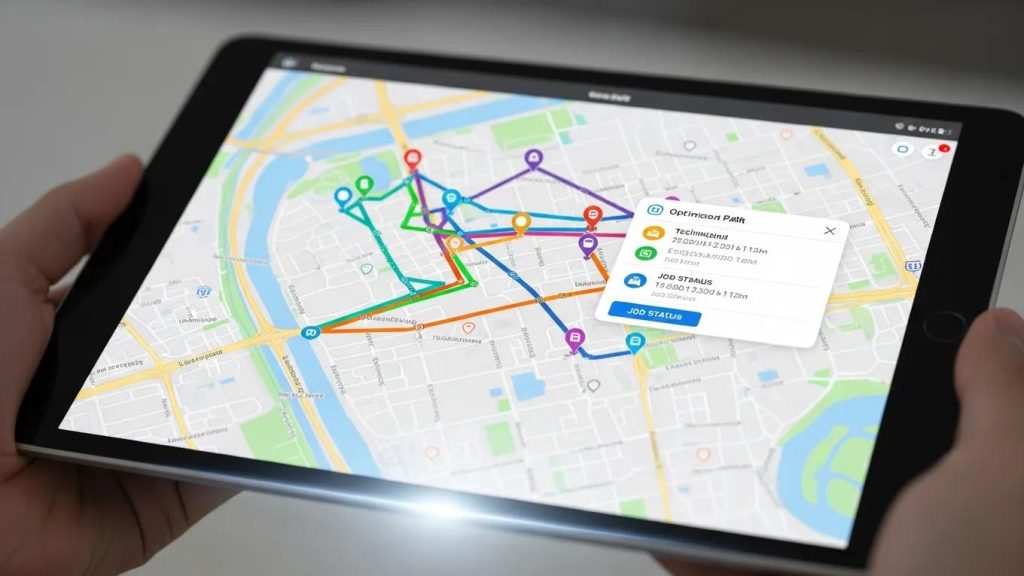
Optimized route planning leverages advanced algorithms to determine the fastest, most efficient paths for technicians. This feature minimizes travel time, improves response rates, and enhances overall service efficiency.
Enhanced Technician Communication
Communication tools integrated within technician dispatch management software improve interaction between dispatchers and technicians. This feature helps to ensure that technicians receive critical job information in a timely manner, facilitating smoother operations.
How Does Route Optimization Reduce Elevator Maintenance Response Times?
Route optimization plays a pivotal role in decreasing response times for elevator maintenance. By utilizing advanced routing algorithms, service providers can significantly reduce travel distances and times for their technicians. This reduction is crucial in emergency scenarios, where time is of the essence, and a prompt response can prevent further customer inconvenience.
Minimizing travel time allows technicians to be more readily available for subsequent service calls, thus enhancing overall service delivery. Moreover, optimized routes lead to better preparedness among technicians, empowering them to address issues efficiently upon arrival.
Which Dispatch Optimization Tools Are Essential for Effective Elevator Service Scheduling?
Effective scheduling in the elevator service sector is facilitated by various critical dispatch optimization tools. These tools provide the necessary framework to improve operational efficiency and enhance service quality.
- Integration with Service Management Systems: This integration allows for seamless data sharing across platforms, streamlining operations and reducing manual entry errors.
- Mobile Apps for Technicians: Providing technicians with mobile applications enhances their ability to receive real-time job updates, communicate with the office, and complete paperwork digitally on-site.
- Data Analytics Tools: By leveraging data analytics, companies can identify patterns and inefficiencies, allowing for informed decisions that enhance service strategies.
How Does Real-Time Dispatch Enhance Technician Assignment and Job Tracking?
Real-time dispatch implementation significantly enhances technician assignment and job tracking capabilities. By utilizing real-time data, dispatchers can assign jobs based on technician availability, location, and skill set, ensuring the best fit for service needs.
This method leads to more efficient time management, as technicians can receive immediate updates and adjust their schedules accordingly. Enhanced communication facilitates transparency and coordination, yielding better outcomes for service operations.
What Integration Capabilities Improve Workflow with Elevator Service Software?
Integration capabilities play a vital role in improving workflow through elevator service software.
- ERP Integration: Connecting service software with Enterprise Resource Planning (ERP) systems enables data synchronization across departments, fostering better resource allocation and communication.
- AI-Powered Automation: Automated scheduling features powered by AI help in predicting demand and managing workloads effectively, thereby optimizing technician use.
- Mobile Platform Capabilities: This ensures that technicians operate on the go, equipped with the necessary tools for efficient job management and customer interactions.
What Are the Benefits of Field Service Route Planning in Multi-Route Elevator Dispatch?
Field service route planning presents several benefits, particularly in multi-route elevator dispatch scenarios.
- Efficiency Improvements and Cost Savings: By optimizing routes, companies can significantly cut down travel expenses while ensuring timely service delivery.
- Enhancing Customer Satisfaction: Quick response times and reliable service enhance customer experience, leading to improved loyalty and retention.
- Reduced Response Times: Efficient planning directly translates to minimizing delays, allowing companies to better address urgent customer needs.
How Does Efficient Route Planning Lead to Labor Cost Savings and Increased Customer Satisfaction?
Efficient route planning not only leads to labor cost savings but also promotes heightened customer satisfaction. The strategic allocation of technician tasks minimizes unnecessary labor expenses and enables technicians to serve more clients within a given timeframe.
Furthermore, quicker service times bolster customer trust and satisfaction. As customers experience consistent and reliable service, their loyalty to the brand increases, leading to potential business growth in the long term.
Which Performance Metrics Should Elevator Service Managers Track for Scheduling Success?
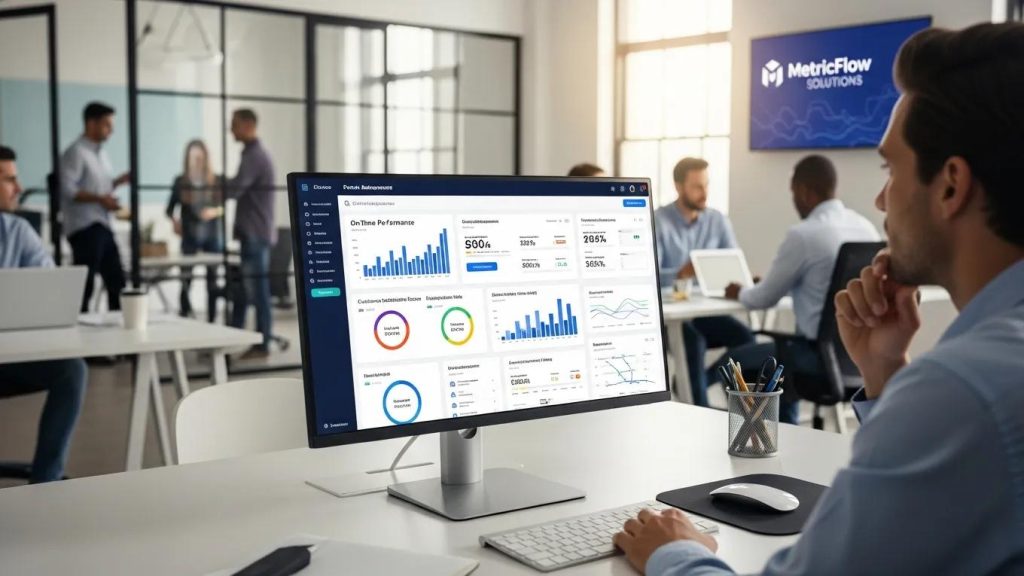
Tracking specific performance metrics is essential for evaluating scheduling success in elevator service operations.
- First-Time Fix Rate: This metric indicates the percentage of repairs completed during the first visit, reflecting technician efficiency and service effectiveness.
- Technician Utilization Rate: Understanding how often technicians are actively engaged helps optimize schedules and resource allocation.
- Customer Satisfaction Scores: Regularly assessing customer feedback allows businesses to pinpoint areas for improvement and enhance service delivery.
How Can Elevator Service Companies Implement and Monitor Dispatch and Scheduling Software Effectively?
For effective implementation of dispatch and scheduling software, elevator service companies should consider several best practices.
- Requesting Software Demos: Engaging with software providers for demos helps in understanding specific software features and how they align with business needs.
- Regular Subscription Updates: Keeping software up-to-date ensures access to the latest features and security enhancements.
- In-App Training for Technicians: Training ensures that all technicians are well-versed in the features of the software, fostering smoother implementations.
What Are Best Practices for Booking Demos and Subscribing to Updates?
When managing software subscriptions, leveraging best practices for booking demos and subscribing to updates becomes crucial.
- Encouraging Technician Feedback: Gathering insights from technicians regarding software usability aids in identifying training needs or potential software enhancements.
- Fostering Continuous Learning Culture: Regular training sessions promote skill enhancement and adaptation to new software capabilities.
- Utilizing Data Analytics for Performance Monitoring: Incorporating analytics helps track software effectiveness and informs adjustments based on usage data.
How Should Structured Data and Visual Tools Be Used to Optimize Dispatch Software Content?
Integrating structured data and visual tools can significantly optimize dispatch software content, leading to better user experiences and improved data management.
- Using Dashboards for Performance Metrics: Dashboards allow for real-time tracking of key performance indicators, equipping managers with actionable insights at a glance.
- Visual Representations of Workflows: Visual aids can help simplify complex processes, making it easier for technicians to understand their responsibilities.
- Real-Time Data Access Tools: Providing immediate access to relevant data assists technicians in making informed decisions on the ground.
This structured understanding of dispatch and scheduling not only aids in operational improvements but also significantly enhances overall efficiency in elevator service operations. By employing advanced software solutions like those offered by Site Service Software, Inc., businesses can achieve remarkable improvements in service delivery, technician productivity, and customer satisfaction.