
The Hidden Cost of Missed Billing in Elevator Service: Prevent Revenue Loss with Advanced Elevator Service Billing Software
Missed billing in elevator services is a significant issue that can lead to substantial financial losses for companies in this sector. Revenue leakage, often resulting from errors in billing processes, directly impacts profitability and customer satisfaction. In this article, we will explore the hidden costs associated with missed billing and how advanced software solutions can mitigate these risks. Specifically, we will delve into the financial implications of revenue leakage, common causes of billing errors, and effective strategies to implement billing software. By understanding these aspects, elevator service companies can prevent revenue loss and improve their operational efficiency.
Financial Impacts of Revenue Leakage
Revenue leakage represents a substantial risk for elevator service companies, resulting in lost income, increased administrative costs, and customer dissatisfaction. Each missed bill equates to potential income that never reaches the company’s accounts, creating a gap in expected revenue. As administrative efforts are diverted to resolving billing issues, operational costs rise, further impacting profits. Customer dissatisfaction often follows frequent billing errors, leading to damaged relationships and a tarnished reputation. Therefore, addressing revenue leakage is critical in sustaining a healthy financial status within the elevator service industry.
Common Causes of Billing Errors

Several factors contribute to billing errors in elevator maintenance services. These include:
- Manual Entry Mistakes: Errors occurring during the manual entry of data can cause significant discrepancies in billing.
- Lack of Real-Time Data: The absence of up-to-date service information prevents accurate billing, often leading to delayed invoices.
- Complex Contract Terms: Ambiguous contract nuances can result in misinterpretations, adversely affecting billing accuracy.
Understanding these causes is vital for implementing corrective measures and preventing future occurrences of billing errors.
Effective Strategies for Implementing Software
To effectively adopt software solutions that prevent missed billing, companies should consider the following strategies:
- Training and Onboarding: Comprehensive training ensures all employees are familiar with new systems, significantly reducing user errors.
- Regular Audits: Conducting frequent audits can identify discrepancies early and maintain billing accuracy.
- Customer Portal: Implementing a customer portal allows clients to review and manage their service details, fostering communication and reducing conflicts.
Integrating these strategies can significantly streamline billing processes and prevent revenue loss.
How Can Elevator Service Billing Software Prevent Missed Billing and Revenue Loss?
Elevator service billing software provides several key functionalities that directly address missed billing and revenue loss. Automated billing processes streamline the generation of invoices, ensuring timely and accurate billing. Furthermore, advanced software aids in maintenance contract management by keeping track of important dates and service requirements, minimizing the risk of missed charges. Features such as mobile ticketing enhance operational efficiency, allowing technicians to log services in real-time, thus improving data accuracy and billing precision.
What Are the Common Causes of Billing Errors in Elevator Maintenance Services?
In addition to the factors previously mentioned, there are other common billing errors often encountered within elevator maintenance services:
- Human Error in Data Entry: Even trained staff may inadvertently input incorrect details.
- Delayed Job Tracking: If job completion is not tracked promptly, it can result in overlooked billing opportunities.
- Complex Contract Mismanagement: Misunderstanding or mismanagement of contract terms can lead to incorrect billing.
Recognizing these causes is instrumental in developing effective solutions.
Which Operational Challenges Lead to Missed Billing in Field Service Workflows?
Several operational challenges contribute to missed billing, including:
- Inefficient Onboarding Processes: New employees may struggle to understand billing systems, leading to mistakes.
- Manual Processes Causing Mistakes: Reliance on manual processes opens the door for human error.
- Lack of Real-Time Data: Without immediate access to service data, mistakes may go unrecognized until it’s too late.
These challenges point to the need for more automated solutions to enhance accuracy.
How Do Technician Dispatch and Job Tracking Failures Affect Billing Accuracy?
Technician dispatch and job tracking failures can severely hinder billing accuracy for elevator service companies.
- Inaccurate Job Tracking: If jobs are not tracked in real-time, billing cannot reflect actual services performed.
- Miscommunication During Dispatch: Information shared between teams can sometimes be inconsistent, leading to issues in the delivery of services.
- Lack of Real-Time Updates: The failure to update data promptly means that billing professionals may process outdated information, impacting the accuracy of invoices.
These issues highlight the necessity for reliable and efficient tracking systems to ensure proper billing.
Proven Strategies to Recover Lost Revenue from Missed Billing in Elevator Services?
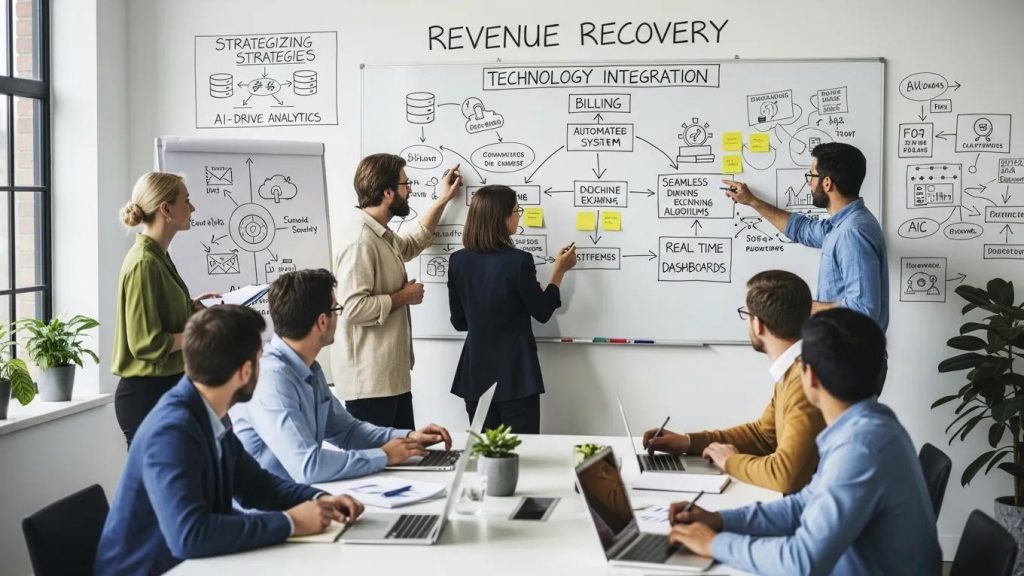
Recovering lost revenue due to missed billing requires strategic planning, including:
- Implementing AI-Powered Automated Billing: Automated systems can significantly reduce human error and increase efficiency.
- Mobile Ticketing for Real-Time Logging: This allows technicians to log services as they happen, ensuring all billable work is accounted for.
- Conducting Regular Audits: Regular checks and audits can help identify and rectify billing discrepancies before they escalate.
Incorporating these strategies not only aids in recovering lost revenue but also strengthens the overall operational framework.
The positive impact of automated billing systems on revenue efficiency is further supported by external research in related fields.
Digital Payment Systems Impact on Revenue Efficiency and Leakage
This study examined the impact of digital payment systems on revenue efficiency in community pharmacy businesses operating in Ughelli, Delta State. Specifically, the study investigated the effect of Point of Sale (POS) transactions, mobile payment platforms, online/internet payment systems, and automated billing systems on revenue efficiency. A survey research design was adopted, and primary data were collected from 257 respondents drawn from registered community pharmacy shops in the study area. The data were analyzed using descriptive statistics and Ordinary Least Squares (OLS) regression analysis. The findings revealed that POS transactions have a positive and statistically significant impact on revenue efficiency, indicating that real-time electronic transaction recording enhances sales accuracy and reduces revenue leakages. IMPACT OF DIGITAL PAYMENTS ON THE REVENUE EFFICIENCY OF PHARMACEUTICAL BUSINESS IN DELTA STATE., RI Eke, 2026
How Do Elevator Service Companies Quantify and Address Revenue Leakage Risks?
Elevator service companies typically assess revenue leakage risks by analyzing historical billing data and evaluating operational workflows.
- Data Analysis: By examining past billing errors, businesses can identify patterns leading to revenue loss.
- Workforce Training: Addressing knowledge gaps through targeted training can considerably reduce the frequency of errors.
- System Updates: continually updating software systems ensures that companies leverage the latest tools for billing accuracy.
This multifaceted approach helps in both quantifying risks and establishing necessary countermeasures.
What Case Studies Demonstrate Successful Billing Recovery Using Specialized Software?
Several case studies illustrate the effectiveness of specialized software in recovering lost billing revenue. Companies transitioning to automated billing systems saw a marked decrease in errors, with one noted instance describing a significant reduction in missed billings after software implementation. Additionally, a focus on regular auditing practices led to the identification of systemic errors, enabling proactive resolutions that strengthened financial performance.
By understanding the hidden costs associated with missed billing and implementing targeted software solutions, elevator service providers can effectively mitigate revenue loss. Emphasizing operational efficiency, real-time tracking, and comprehensive staff training creates a sustainable path toward greater financial health and customer satisfaction.